For the summer of 2025, 10 students were selected for the Summer Undergraduate Research Fellowships (SURF), an SJNY-funded undergraduate research program that provides stipends of $4,000 for each student recipient to work on research projects, overseen by a faculty mentor.
With an overarching goal of alleviating the economic pressures that can prohibit strong students from actively engaging in academic research opportunities, the SURF program is open to students of all disciplines. Recipients conduct their research for 10 weeks over the summer and then present at the Student Research Symposium the following spring.
Soul of the Soil: The Invisible Threads Between Self and Sanctuary
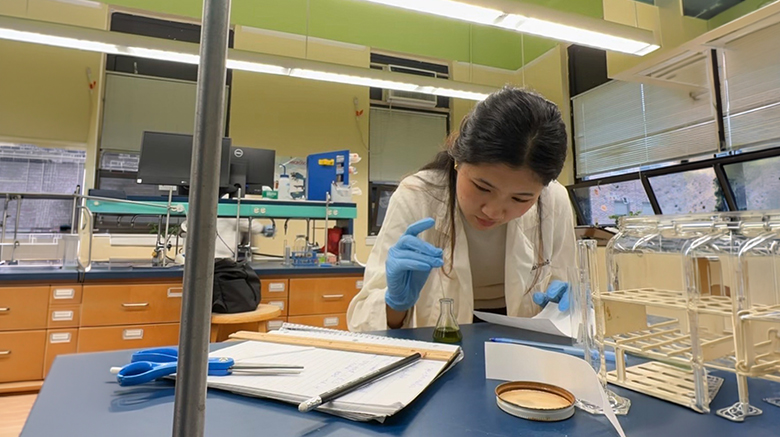
Brooklyn Campus biology major Jasmine Tamang ’27 was selected this year to conduct research on the emotional and cultural connections people form with natural spaces. Being mentored by Michael Magee, Ph.D., associate professor of psychology on the Brooklyn Campus, Tamang studied how parks like Inwood Hill Park in New York City are more than just green spaces, but are places of personal healing, cultural memory and community belonging.
“Being selected for the SJNY SURF program means so much to me—not just as a student, but as a first-generation researcher trying to find my voice in academia,” said Tamang. “It’s more than just doing a summer project; it’s about being trusted to ask meaningful questions and explore the kind of research that reflects who I am and where I come from. SURF gave me the support and space to connect my personal experiences—from Nepal to New York—with academic work that can make a real impact.”
Tamang was drawn to this kind of research after being asked the question: What kind of bond can we have with a place, beyond just going there to relax or have fun?
“When I visited Inwood Hill Park, I felt something deeper than just being in a peaceful, green space. It holds centuries of history—it’s the last known settlement site of the Lenape people in Manhattan—and you can still feel that presence through the land, the trees and even the caves. That reminded me of my time in Shingla, Nepal, where people saw forests not just as resources but as living ancestors. Those experiences made me realize that parks and natural spaces can carry emotional, cultural and even spiritual meaning. They can feel like a sanctuary, like a piece of home or identity,” said Tamang.
With research that touches on several real-world topics, including how to approach conservation in urban spaces and the push for more access to green spaces, it became clear to Tamang that parks aren’t just nice to have but are a necessity. Oftentimes, what is overlooked about a park is the emotional and cultural connections the space provides. Parks can bring people peace and safety while also feeling like the space reflects their story.
“My research explores this kind of connection. It can help city planners, conservationists, and community leaders see parks not just as recreational zones but as places of belonging and resilience. For example, Inwood Hill Park isn’t just valued for its trails—it’s valued for its Native American history, its role as a community gathering space and even for the quiet moments people experience there. Understanding these layered meanings can inform more inclusive conservation strategies that reflect both environmental and human needs,” said Tamang.
Taking Research Day by Day
A typical day for Tamang usually starts early, especially when she is doing fieldwork at Inwood Hill Park. After grabbing a matcha latte from a local cafe, she pauses at certain spaces, such as the Shorakkopoch Rock, where it’s believed the Lenape created the deal that gave Manhattan to the Dutch, to ground herself in the purpose of her research. Then she will start her observations: who’s using the park, what they are doing and how they interact with the space. She will also hand out flyers with a QR code to her online survey and, when people are open to it, interviews.
“Some of my favorite moments have been those spontaneous conversations—like when someone told me they come here to feel close to their grandmother, who used to bring them here as a kid. That’s when the meaning of “sanctuary” really comes alive. My favorite part of the process so far has been seeing how willing people are to open up when you ask the right questions. It’s not just data—it’s stories, emotions and memories that make a place come alive. That’s what makes this research feel so personal and important,” said Tamang.
By conducting such unique research, Tamang transformed what she learned in the classroom into an active, real-world experience that made her work feel alive.
“The SURF program is an invaluable cornerstone of the student experience at St. Joseph’s,” said Magee. “It provides a vital platform for students like Jasmine to transition from classroom learning to paid independent inquiry, allowing them the freedom to explore complex questions that resonate with their own lived experiences. Programs like this are essential for fostering the next generation of researchers and thinkers.”
This story is part of OnCampus’ “SURF Recipients 2025” series, centered on students conducting research at St. Joseph’s University, New York in anticipation of the University’s 2026 Student Research Symposium. To read more from this series, click here.
